
What if the secret to the most coveted feminine silhouette isn’t just about losing weight—but about sculpting your body to mirror the divine proportions of Venus herself? The venus belly isn’t just a trend; it’s a timeless aesthetic that celebrates the natural curves, soft contours, and harmonious balance of the female form. For those who seek a waistline that flows seamlessly into gentle hips, a flat yet softly rounded abdomen, and a waist-to-hip ratio that exudes elegance, this guide is your definitive roadmap.
You’re not alone in your pursuit. Thousands of women and feminization seekers search for terms like venus belly and “venus tummy” every month, yet find only fragmented advice, generic fitness tips, or medical jargon that fails to address the deeper desire: achieving a body that feels as feminine as it looks. This guide bridges that gap. Here, we’ll explore the science, art, and precision behind the feminine waistline, from the role of estrogen fat distribution to the transformative power of abdominal liposculpting. Whether you’re considering non-surgical methods or preparing for a life-changing procedure, this is your invitation to redefine what’s possible.

Table des matières
Defining the Venus Belly Aesthetic: More Than Just a Flat Stomach
Le venus belly is a celebration of femininity in its most balanced form. Unlike the angular, defined abs often associated with masculine fitness ideals, the Venus aesthetic prioritizes a soft, rounded abdomen that flows into a narrow waist and fuller hips. This isn’t about achieving a six-pack—it’s about embracing a silhouette that aligns with the golden ratio of feminine beauty, where every curve tells a story of grace and allure.
At the heart of this aesthetic lies the waist-to-hip ratio, a key marker of attractiveness across cultures and centuries. Research shows that a ratio of 0.7—where the waist is 70% the width of the hips—is universally perceived as the epitome of femininity. This ratio isn’t just about measurements; it’s about the visual harmony created by the contrast between a narrow waist and fuller hips, a balance that the venus belly naturally enhances.
But what truly sets the Venus aesthetic apart is the Venusian fold, a subtle yet defining feature that softens the lower abdomen. This gentle curve, often accentuated by strategic fat distribution, creates a natural transition from the waist to the hips, avoiding the harsh lines that can make a stomach appear overly sculpted or masculine. It’s this fold that transforms a flat stomach into a venus belly—a testament to the beauty of softness in femininity.
The Role of Estrogen in Shaping Your Silhouette
Estrogen isn’t just a hormone—it’s an architect of the female form. Its influence extends far beyond reproductive health, playing a pivotal role in how and where fat is stored in the body. For those assigned male at birth or individuals with lower estrogen levels, fat tends to accumulate around the abdomen, creating a more centralized, apple-shaped silhouette. In contrast, estrogen encourages fat distribution in the hips, thighs, and lower abdomen, contributing to the coveted pear-shaped figure that defines the venus belly.
This hormonal dance is why hormone replacement therapy (HRT) often becomes a game-changer for feminization seekers. As estrogen levels rise, the body begins to redistribute fat, softening the midsection and enhancing the curves that characterize the feminine waistline. However, hormones alone aren’t always enough. Genetics, lifestyle, and even previous weight fluctuations can leave behind stubborn fat deposits or loose skin that resist natural reshaping. That’s where modern aesthetic techniques come into play.

Liposculpting for the Feminine Waistline: Precision Meets Artistry
If hormones lay the foundation, abdominal liposculpting is the chisel that refines it. Unlike traditional liposuction, which focuses solely on fat removal, liposculpting is a meticulous process that reshapes the body with an artist’s eye. For those pursuing the venus belly, this technique is nothing short of revolutionary.
So, how does it work? The process begins with a detailed consultation, where a board-certified plastic surgeon maps out the areas of concern. Using advanced techniques like tumescent liposuction or laser-assisted lipolysis, the surgeon targets stubborn fat deposits in the abdomen, flanks, and lower back. But the magic doesn’t stop there. The extracted fat isn’t discarded—it’s often purified and strategically reinjected into areas like the hips or buttocks to enhance the waist-to-hip ratio, creating a more pronounced curve that defines the feminine waistline.
One of the most transformative aspects of abdominal liposculpting is its ability to address the Venusian fold. By carefully contouring the lower abdomen, surgeons can create that signature softness that distinguishes the venus belly from a flat, masculine stomach. The result? A midsection that doesn’t just look feminine—it moves with femininity, swaying gently with every step and flowing seamlessly into the hips.
Combining Abdominoplasty with Facial Feminization Surgery (FFS): A Holistic Approach
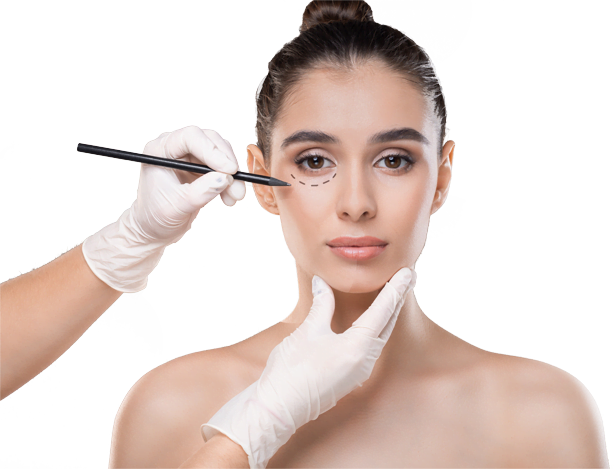
For those seeking a complete transformation, combining abdominal liposculpting or abdominoplasty (tummy tuck) with Chirurgie de féminisation faciale (FFS) can create a harmonious, head-to-toe feminine aesthetic. While FFS focuses on softening facial features—such as reducing the brow ridge, refining the jawline, or enhancing the lips—abdominoplasty addresses the midsection, removing excess skin and tightening the abdominal muscles to create a smoother, more toned appearance.
The synergy between these procedures lies in their shared goal: to align the body with the inner self. For many feminization seekers, the journey isn’t just about one area—it’s about creating a cohesive identity. Imagine stepping out of the recovery room with a softer face, a narrower waist, and the confidence that comes from knowing every part of you reflects who you truly are. That’s the power of a holistic approach.
Abdominoplasty, in particular, is a game-changer for those who have experienced significant weight loss or pregnancy, where loose skin can stubbornly cling to the midsection. By removing this excess skin and tightening the underlying muscles, the procedure doesn’t just flatten the stomach—it enhances the natural curves of the venus belly, making the waist appear smaller and the hips more pronounced. When paired with FFS, the transformation is nothing short of breathtaking.
Non-Surgical Alternatives: Sculpting Your Venus Belly Without the Scalpel
Not everyone is ready for surgery—and that’s okay. The path to a venus belly isn’t one-size-fits-all, and non-surgical alternatives can deliver impressive results for those with mild to moderate concerns. Here’s a look at the most effective options:
- CoolSculpting (Cryolipolysis): This FDA-approved treatment freezes and eliminates stubborn fat cells using controlled cooling. It’s particularly effective for targeting love handles or lower abdominal bulges, helping to refine the waist-to-hip ratio without downtime. While results take a few months to fully appear, the gradual change can be a confidence booster for those easing into their transformation.
- EMSCULPT NEO: Unlike traditional fat-reduction treatments, EMSCULPT NEO combines radiofrequency energy with high-intensity focused electromagnetic (HIFEM) technology to both burn fat and build muscle. In just four 30-minute sessions, patients can see up to a 30% reduction in fat and a 25% increase in muscle mass—ideal for sculpting the lower abdomen and enhancing the Venusian fold.
- Radiofrequency (RF) Skin Tightening: For those dealing with mild skin laxity, RF treatments like Thermage or Ultherapy can tighten the skin and improve texture. While not a substitute for surgery, these treatments can complement other procedures or serve as a stepping stone for those considering more invasive options later.
- Fat Transfer with PRP: Platelet-rich plasma (PRP) can be combined with fat transfer to enhance the longevity and natural feel of the results. By injecting PRP into the hips or buttocks, surgeons can improve fat survival rates, ensuring that the enhanced curves of the feminine waistline last longer.
While non-surgical methods may not deliver the dramatic results of liposculpting or abdominoplasty, they offer a low-risk, gradual approach to refining the venus belly. For those who are hesitant about surgery or simply want to test the waters, these treatments can be an empowering first step.
Recovery and Long-Term Results: What to Expect on Your Journey
Transformation doesn’t happen overnight—but with the right approach, the results can last a lifetime. Whether you choose surgical or non-surgical methods, understanding the recovery process is key to setting realistic expectations and ensuring a smooth journey to your venus belly.
The First 48 Hours: Setting the Stage for Success
Immediately after a procedure like abdominal liposculpting or abdominoplasty, your body will need time to adjust. Swelling, bruising, and mild discomfort are normal, but these symptoms can be managed with compression garments, prescribed pain relief, and plenty of rest. Most patients are encouraged to walk lightly within the first 24 hours to promote circulation and reduce the risk of blood clots, but strenuous activity is off-limits for at least two weeks.
For non-surgical treatments like CoolSculpting or EMSCULPT NEO, downtime is minimal. You might experience mild redness or sensitivity in the treated area, but these side effects typically resolve within a few hours. The beauty of these treatments? You can return to your daily routine almost immediately, making them ideal for those with busy schedules.
Weeks 2–6: The Transformation Begins
By the second week, swelling will begin to subside, and you’ll start to see the initial contours of your venus belly emerge. This is where patience becomes your greatest ally. While it’s tempting to scrutinize every change, remember that healing is a gradual process. For surgical patients, this is also the time to gradually reintroduce light activities, such as gentle yoga or walking, to support recovery without straining the body.
For those who’ve undergone abdominoplasty, the results will become more noticeable as the skin tightens and the muscles heal. The waist-to-hip ratio will begin to take shape, and the Venusian fold will soften, creating that coveted feminine silhouette. Non-surgical patients will also see gradual improvements, with fat reduction becoming more apparent as the body naturally eliminates the treated cells.
Months 3–6: The Final Reveal
This is where the magic happens. By the three-month mark, most of the swelling will have resolved, and the final results of your venus belly transformation will come into focus. For surgical patients, the skin will have fully retracted, the muscles will have healed, and the contours of your midsection will reflect the precision of the procedure. For non-surgical patients, the full effects of fat reduction and muscle toning will be visible, revealing a more sculpted and balanced silhouette.
But the journey doesn’t end here. Maintaining your results requires a commitment to a healthy lifestyle. While procedures like liposculpting permanently remove fat cells, the remaining cells can still expand if weight is gained. A balanced diet, regular exercise, and hydration are essential to preserving the feminine waistline you’ve worked so hard to achieve. Think of it as nurturing not just your body, but the confidence and joy that come with it.
Patient Testimonials: Real Stories of Transformation
Nothing speaks louder than the words of those who’ve walked this path before you. Here’s what some of our patients have to say about their journey to achieving the venus belly:
“Before my procedure, I struggled with a stubborn belly that no amount of diet or exercise could fix. After abdominal liposculpting, I finally have the soft, feminine curves I’ve always wanted. My waist looks smaller, my hips fuller, and I feel like I’m finally in the right body.” — Alex, 32
Alex, 32
“Combining abdominoplasty with FFS was the best decision I’ve ever made. My face and body now match the woman I’ve always known I was inside. The recovery was tough, but waking up every day and seeing my venus belly in the mirror makes it all worth it.” — Jamie, 28
Jamie, 28
“I wasn’t ready for surgery, so I started with CoolSculpting. The results were subtle at first, but after a few months, I noticed my waist looked more defined and my hips fuller. It gave me the confidence to eventually go for liposculpting, and now I couldn’t be happier.” — Taylor, 35
Taylor, 35

Embracing Your Venus Belly: A Celebration of Femininity
Le venus belly is more than just an aesthetic ideal—it’s a celebration of femininity in all its forms. Whether you achieve it through hormones, non-surgical treatments, or a combination of procedures, the journey is ultimately about aligning your outer self with your inner identity. It’s about waking up each day and feeling confident, beautiful, and unapologetically toi.
As you embark on this journey, remember that every body is unique. The feminine waistline you envision may look different from someone else’s—and that’s the beauty of it. Whether your goal is a subtle enhancement or a dramatic transformation, the key is to choose the path that feels right for toi. Consult with a board-certified plastic surgeon, explore your options, and trust in the process. Your venus belly isn’t just a destination; it’s a testament to your strength, resilience, and unwavering commitment to living as your most authentic self.
Ready to take the next step? Visit our Chirurgie de féminisation du corps page to learn more about your options, or explore our Before & After Gallery to see real transformations. Your journey to the venus belly starts here—and we’re honored to be a part of it.
FAQ: Your Questions About the Venus Belly, Answered
What exactly is a Venus belly?
UN venus belly refers to the ideal feminine abdomen characterized by a soft, rounded contour that flows seamlessly into the hips, creating a harmonious waist-to-hip ratio. Unlike the angular, defined abs often associated with masculine aesthetics, the Venus belly emphasizes the natural curves and gentle transitions that define femininity, such as the Venusian fold.
How does estrogen influence the Venus belly?
Estrogen plays a crucial role in fat distribution, encouraging the body to store fat in the hips, thighs, and lower abdomen—areas that contribute to the feminine waistline. For feminization seekers, hormone replacement therapy (HRT) can help redistribute fat to create a softer, more curved silhouette. However, genetics and lifestyle factors may require additional interventions like abdominal liposculpting to achieve the desired results.
Is surgery the only way to achieve a Venus belly?
No! While surgical options like abdominal liposculpting and abdominoplasty deliver dramatic results, non-surgical alternatives such as CoolSculpting, EMSCULPT NEO, and radiofrequency skin tightening can also refine the midsection. These treatments are ideal for those with mild to moderate concerns or those who prefer a gradual approach.
What is the recovery process like after abdominal liposculpting?
Recovery varies depending on the extent of the procedure, but most patients can expect swelling and bruising for the first week. Light activities like walking are encouraged within 24 hours, while strenuous exercise should be avoided for at least two weeks. Full results typically become visible within 3–6 months as swelling subsides and the body heals.
Can I combine a Venus belly procedure with other feminization surgeries?
Absolutely. Many patients choose to combine abdominal liposculpting or abdominoplasty with Chirurgie de féminisation faciale (FFS) for a holistic transformation. This approach ensures that both the face and body align with your feminine identity, creating a cohesive and harmonious appearance.
How long do the results of a Venus belly procedure last?
The results of surgical procedures like liposculpting and abdominoplasty are permanent, provided you maintain a stable weight and healthy lifestyle. Non-surgical treatments may require periodic maintenance sessions to sustain results. Remember, the key to long-term success is consistency—nurturing your body with proper nutrition, exercise, and self-care.
 French
  English (United States)
  English (UK)
  Spanish
  Dutch
Dutch  German
  Arabic
  Russian