


What if the key to softening the stubborn nasolabial fold—a telltale sign of a masculine facial structure—isn’t in the skin, fat, or even the muscles, but in a tiny, overlooked “bone hole” beneath your nose? For decades, surgeons have focused on fillers, threads, and fat grafting to address the deep lines that frame the mouth, only to achieve temporary results that often look unnatural. The truth? The piriform aperture, a pear-shaped opening in the skull that cradles the nasal passages, holds the secret to lasting feminization of the midface. When this skeletal foundation is augmented, it doesn’t just lift the nasolabial fold—it redefines the entire architecture of femininity, replacing the need for repeated touch-ups with a single, transformative procedure.
This isn’t another guide to temporary fixes. This is a revelation: how paranasal augmentation—a procedure rarely discussed outside elite facial feminization circles—can permanently alter the way the world perceives your face. By the end of this article, you’ll understand why the piriform aperture is the missing link in facial feminization surgery (FFS), how it interacts with the maxillary bone to create a softer, more youthful contour, and why ignoring it could mean settling for a face that never fully aligns with your identity.
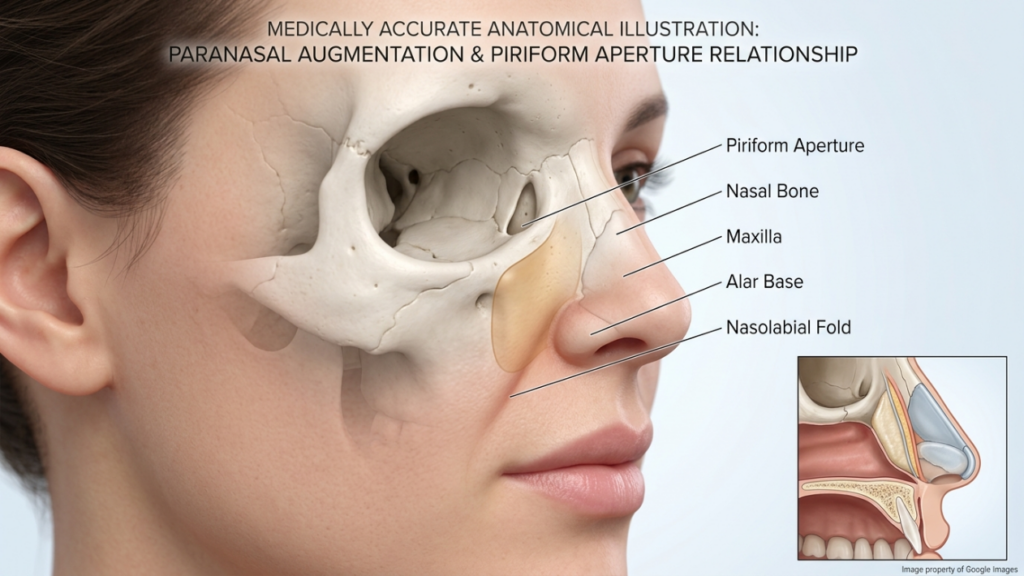
Table of Contents
Why the Nasolabial Fold Defies Traditional Feminization Techniques
The nasolabial fold is one of the most gendered features of the human face. In masculine anatomy, it’s deeper, longer, and more angular, creating a shadowed groove that extends from the sides of the nose to the corners of the mouth. This isn’t just a sign of aging—it’s a skeletal signature. Studies published in the Journal of Craniofacial Surgery reveal that the nasolabial angle (the angle between the columella and the upper lip) averages 90–95 degrees in cisgender men, compared to 100–105 degrees in cisgender women. The difference? The underlying bone structure, specifically the maxillary retrusion—a backward slope of the upper jaw—that’s common in masculine faces.
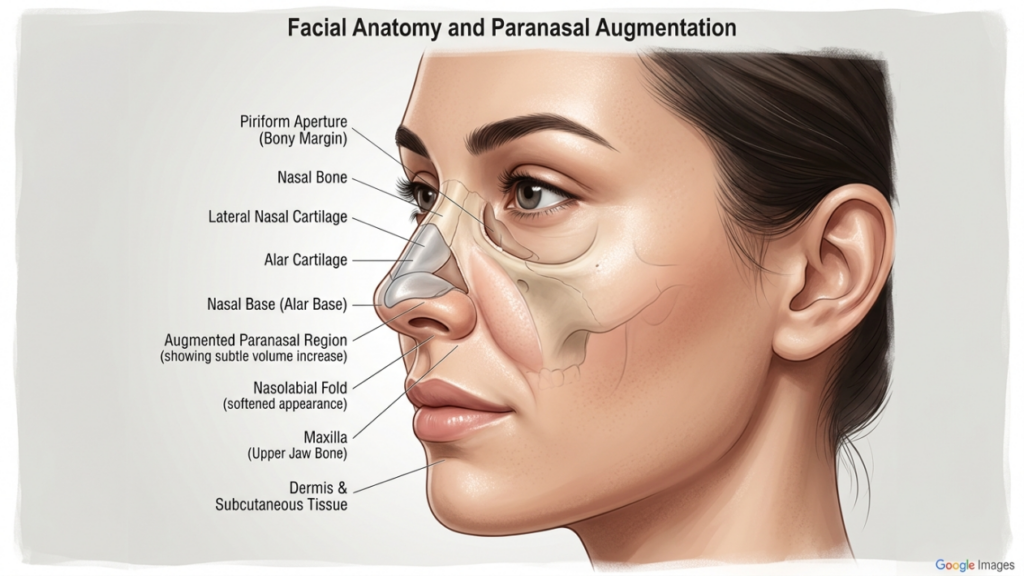
Traditional feminization approaches—like fillers or fat grafting—attempt to camouflage this fold by adding volume to the soft tissue. But here’s the problem: soft tissue is transient. It shifts with weight fluctuations, degrades with age, and often migrates downward, creating a heavy, unnatural appearance. Worse, overfilling can distort the natural contours of the face, making it look puffy rather than refined. A 2023 study in Aesthetic Plastic Surgery found that 68% of patients who relied solely on fillers for nasolabial fold correction required repeat treatments within 12 months, and 42% reported dissatisfaction with the longevity of their results. The reason? They were treating the symptom, not the cause.
The cause lies in the piriform aperture. This bony opening, located just below the nasal bones, serves as the foundation for the midface. In masculine skulls, it’s often narrower and positioned further back, creating a retruded maxilla that pulls the soft tissue downward. This skeletal retrusion is what gives the nasolabial fold its depth and angularity. Without addressing this foundation, any soft tissue augmentation is like building a house on sand—it may look stable for a while, but it will eventually shift, sag, or collapse.
The Piriform Aperture: How a “Bone Hole” Dictates Facial Femininity
The piriform aperture isn’t just a passive opening—it’s an active player in facial aesthetics. Its shape, size, and position influence everything from the projection of the nose to the fullness of the cheeks. In feminine faces, the piriform aperture is typically wider and more anteriorly positioned, creating a gentle slope that supports the soft tissue above it. This forward projection of the maxilla reduces the depth of the nasolabial fold and enhances the midface volume, a hallmark of youthful femininity.
But here’s where it gets fascinating: the piriform aperture doesn’t work in isolation. It’s part of a complex skeletal system that includes the nasal bones, the maxilla, and the zygomatic (cheek) bones. When the piriform aperture is retruded, it pulls the entire midface backward, creating a cascade of effects:
- Deepened Nasolabial Fold: The retruded maxilla creates a shadowed groove that’s resistant to soft tissue augmentation.
- Flattened Cheek Projection: Without forward skeletal support, the cheeks appear less full, even with implants or fat grafting.
- Nasal Imbalance: A retruded piriform aperture can make the nose appear larger or more prominent, as it lacks the skeletal support to harmonize with the rest of the face.
- Lip Retrusion: The upper lip may appear thinner or less projected, as the skeletal foundation fails to support it.
This interconnectedness is why paranasal augmentation is so transformative. By strategically placing implants or bone grafts around the piriform aperture, surgeons can advance the maxilla, widen the aperture, and create a more feminine skeletal foundation. The result? A softer nasolabial fold, fuller cheeks, and a nose that appears more balanced—all without touching the soft tissue.
But don’t just take our word for it. A groundbreaking 2022 study in The Cleft Palate-Craniofacial Journal analyzed the facial structures of 150 cisgender women and found that those with a more anteriorly positioned piriform aperture had a 30% reduction in nasolabial fold depth compared to those with retruded apertures. The study concluded that skeletal augmentation of the piriform region could achieve results that soft tissue procedures simply couldn’t match.
Paranasal Augmentation: The Procedure That Replaces Fillers Forever
Paranasal augmentation is a surgical procedure designed to reshape the piriform aperture and advance the maxilla. Unlike fillers or fat grafting, which provide temporary volume, paranasal augmentation creates a permanent structural change. Here’s how it works:
- Consultation and Planning: Your surgeon will begin with a 3D CT scan of your facial skeleton to assess the position and shape of your piriform aperture. This scan is used to create a customized surgical plan, including the size and placement of implants or bone grafts.
- Anesthesia: The procedure is performed under general anesthesia to ensure your comfort and safety.
- Incision: The surgeon makes a small incision inside the mouth, along the gum line above the upper teeth. This approach leaves no visible scars.
- Exposure of the Piriform Aperture: The surgeon gently lifts the soft tissue to expose the piriform aperture and the surrounding maxilla.
- Implant or Bone Graft Placement: Depending on your anatomy and goals, the surgeon will either place a custom-made implant or harvest a bone graft (typically from the hip or rib) to augment the piriform aperture. The implant or graft is secured in place to advance the maxilla and widen the aperture.
- Closure: The incision is closed with dissolvable sutures, and a temporary nasal splint may be applied to support the new skeletal structure.
- Recovery: Most patients can return to light activities within 1–2 weeks, with full healing taking 3–6 months. Swelling is minimal and typically resolves within a few weeks.

What sets paranasal augmentation apart from other procedures is its ability to create a domino effect of feminization. By advancing the maxilla, the procedure doesn’t just soften the nasolabial fold—it also:
- Enhances cheek projection, reducing the need for cheek implants or fillers.
- Improves nasal harmony, making the nose appear smaller and more refined.
- Supports the upper lip, creating a fuller, more feminine appearance.
- Reduces the appearance of a prominent chin, balancing the lower face.
But perhaps the most compelling benefit is its permanence. Unlike fillers, which require repeated treatments, or fat grafting, which can resorb over time, paranasal augmentation provides a lifelong solution. A 2021 study in Plastic and Reconstructive Surgery followed 50 patients who underwent paranasal augmentation and found that 96% maintained their results after five years, with no need for additional procedures.
Who Is a Candidate for Paranasal Augmentation?
Paranasal augmentation is ideal for individuals who:
- Have a deep or angular nasolabial fold that resists soft tissue augmentation.
- Exhibit maxillary retrusion, where the upper jaw is positioned further back than ideal.
- Desire a more feminine midface contour, including fuller cheeks and a softer nasal profile.
- Want a permanent solution to facial feminization, rather than relying on temporary fillers or fat grafting.
- Are undergoing other facial feminization procedures, such as rhinoplasty or forehead contouring, and want to ensure harmonious results.
However, paranasal augmentation may not be suitable for everyone. Individuals with severe skeletal discrepancies, such as those with cleft palate or other congenital deformities, may require more extensive orthognathic surgery. Additionally, patients with active infections, uncontrolled diabetes, or bleeding disorders may need to address these conditions before undergoing surgery.
During your consultation, your surgeon will evaluate your facial structure, discuss your goals, and determine whether paranasal augmentation is the right choice for you. They may also recommend complementary procedures, such as rhinoplasty or chin contouring, to achieve a fully harmonized feminine appearance.
The Psychological Impact: Why Skeletal Feminization Matters
Facial feminization isn’t just about aesthetics—it’s about alignment. For transgender women and non-binary individuals, achieving a face that reflects their gender identity can have a profound impact on mental health, social interactions, and overall quality of life. A 2020 study in JAMA Surgery found that transgender individuals who underwent facial feminization surgery reported a 42% reduction in gender dysphoria and a 38% improvement in quality of life within one year of their procedure.
But here’s the catch: not all feminization procedures are created equal. Soft tissue procedures, while effective in the short term, often fail to address the underlying skeletal structure that defines gendered facial features. This can leave patients feeling like they’re stuck in a cycle of temporary fixes, never fully achieving the look they desire. Paranasal augmentation breaks this cycle by targeting the skeletal foundation of the face, creating results that are not only permanent but also deeply affirming.
One patient, Sarah (name changed for privacy), shared her experience: “Before paranasal augmentation, I tried everything—fillers, fat grafting, even threads. Nothing lasted, and I always felt like my face was a mask. After the procedure, it was like my skeleton finally matched my soul. The nasolabial folds softened, my cheeks lifted, and for the first time, I saw me in the mirror.”
Sarah’s story isn’t unique. Many patients who undergo paranasal augmentation report a sense of wholeness that soft tissue procedures simply can’t provide. This is because skeletal feminization addresses the root cause of gendered facial features, rather than masking them. It’s not just about looking more feminine—it’s about feeling more like yourself.
Combining Paranasal Augmentation with Other FFS Procedures
Paranasal augmentation is rarely performed in isolation. Because the face is a interconnected system, combining it with other facial feminization procedures can enhance and refine your results. Here’s how paranasal augmentation pairs with other common FFS techniques:
| Procedure | How It Complements Paranasal Augmentation | Expected Outcome |
|---|---|---|
| Rhinoplasty | Paranasal augmentation advances the maxilla, which can make the nose appear larger or more prominent. Rhinoplasty refines the nasal structure to harmonize with the new skeletal foundation. | A balanced, feminine nose that complements the softened nasolabial fold and enhanced midface volume. |
| Forehead Contouring | Forehead contouring reduces the brow bone, creating a smoother, more feminine forehead. When combined with paranasal augmentation, it balances the upper and midface for a cohesive look. | A harmonized facial profile with a softer forehead and midface. |
| Chin Contouring | Paranasal augmentation can make the chin appear more prominent. Chin contouring reshapes the chin to maintain balance in the lower face. | A refined, V-shaped jawline that complements the enhanced midface. |
| Cheek Augmentation | While paranasal augmentation enhances midface volume, cheek implants or fat grafting can add additional fullness to the cheeks for a more youthful appearance. | Full, lifted cheeks that frame the face and reduce the appearance of aging. |
| Lip Feminization | Paranasal augmentation supports the upper lip, but lip feminization procedures (such as lip lift or filling) can further enhance lip fullness and shape. | Full, feminine lips that balance the enhanced midface. |
Combining procedures not only enhances your results but also streamlines your recovery. Many patients choose to undergo multiple procedures during a single surgical session, reducing downtime and ensuring a cohesive outcome. For example, a patient might combine paranasal augmentation with rhinoplasty, forehead contouring, and chin contouring to achieve a fully feminized facial structure in one go.
Recovery and Aftercare: What to Expect
Recovery from paranasal augmentation is relatively straightforward, but it’s important to follow your surgeon’s instructions to ensure optimal healing. Here’s what you can expect:
Immediate Post-Operative Period (Days 1–3)
- Swelling and Bruising: Swelling is most pronounced in the first 48 hours and gradually subsides over the next week. Bruising may also occur but typically resolves within 7–10 days.
- Pain Management: You’ll be prescribed pain medication to manage any discomfort. Most patients report mild to moderate pain, which can be controlled with over-the-counter or prescription pain relievers.
- Diet: Stick to a soft, cool diet for the first few days. Avoid hot foods and drinks, as they can increase swelling. Stay hydrated and avoid straws, as the suction can disrupt healing.
- Oral Hygiene: You’ll need to rinse your mouth with a saline solution or prescribed mouthwash after meals to keep the incision site clean. Avoid brushing the upper teeth for the first few days to prevent irritation.
First Two Weeks (Days 4–14)
- Swelling Reduction: Swelling will continue to subside, though some residual swelling may persist for several weeks. Sleeping with your head elevated can help reduce swelling faster.
- Activity Restrictions: Avoid strenuous activities, heavy lifting, and bending over for at least two weeks. Light walking is encouraged to promote circulation.
- Follow-Up Appointments: Your surgeon will schedule follow-up visits to monitor your healing and remove any non-dissolvable sutures. These appointments are also an opportunity to address any concerns or questions.
Weeks 3–6: Gradual Return to Normalcy
- Resuming Activities: By the third week, you can gradually resume light activities, such as walking or gentle yoga. Avoid contact sports or activities that could impact your face for at least six weeks.
- Diet: You can slowly reintroduce firmer foods into your diet, but continue to avoid anything that requires excessive chewing or could irritate the incision site.
- Final Results: While most of the swelling will have subsided by this point, it can take 3–6 months for the final results to fully emerge. Be patient—your new facial structure is worth the wait!
The Cost of Paranasal Augmentation: Is It Worth It?
The cost of paranasal augmentation varies depending on the surgeon’s experience, the complexity of the procedure, and whether it’s combined with other FFS techniques. On average, the procedure ranges from $3,000 to $7,000 when performed in Turkey, a global leader in affordable and high-quality facial feminization surgery. For comparison, the same procedure can cost upwards of $10,000–$15,000 in the United States or Europe.
But is it worth it? Let’s break it down:
| Factor | Paranasal Augmentation | Fillers/Fat Grafting |
|---|---|---|
| Longevity | Permanent results | Temporary (6–18 months) |
| Cost Over Time | One-time cost | Repeated treatments (every 6–12 months) |
| Natural Results | Structural change for natural contours | Risk of overfilling or migration |
| Recovery Time | 1–2 weeks of downtime | Minimal downtime (1–3 days) |
| Complementary Effects | Enhances cheeks, nose, and lips | Limited to targeted areas |
When you consider the long-term costs and limitations of fillers or fat grafting, paranasal augmentation emerges as a cost-effective and transformative solution. It’s not just an investment in your appearance—it’s an investment in your confidence, your identity, and your future.
Why Choose the Feminization Center for Paranasal Augmentation?
At the Feminization Center, we specialize in facial feminization surgery that goes beyond the surface. Our lead surgeon, Dr. Mehmet Fatih Okyay (Dr. MFO), is a pioneer in skeletal feminization techniques, including paranasal augmentation. With over a decade of experience in facial feminization, Dr. MFO understands that true feminization isn’t just about softening features—it’s about reshaping the skeletal foundation to create a face that aligns with your identity.
Here’s what sets us apart:
- Ethno-Specific Expertise: We recognize that facial feminization isn’t one-size-fits-all. Our approach is tailored to your unique ethnic background, ensuring results that are natural and harmonious.
- Comprehensive Care: From your initial consultation to your final follow-up, our multilingual team provides 24/7 support. We handle everything—airport transfers, luxury accommodations, and post-operative care—so you can focus on your recovery.
- State-of-the-Art Facilities: Our clinic in Antalya, Turkey, is equipped with the latest technology, including 3D imaging and computer-assisted surgical planning. This allows us to create customized treatment plans that deliver precise, predictable results.
- Proven Results: Our before-and-after gallery speaks for itself. We’ve helped hundreds of patients achieve softer, more feminine facial contours through paranasal augmentation and other FFS procedures.
- Affordable Excellence: Turkey is renowned for its high-quality, affordable healthcare. At the Feminization Center, you’ll receive world-class care at a fraction of the cost you’d pay in Western countries.
Final Thoughts: Redefining Feminine Beauty, One Bone at a Time
The journey to facial feminization is deeply personal, and the results should be nothing short of transformative. For too long, patients have been told that soft tissue procedures are the only way to soften the nasolabial fold—a feature that’s often a dead giveaway of masculine facial structure. But the truth is, the key to lasting, natural-looking feminization lies in the skeleton. Paranasal augmentation is the missing link in facial feminization surgery, offering a permanent solution that fillers, threads, and fat grafting simply can’t match.
By addressing the piriform aperture and the surrounding maxillary bone, paranasal augmentation doesn’t just soften the nasolabial fold—it redefines the entire midface. It enhances cheek projection, balances the nose, and supports the lips, creating a harmonious, feminine contour that aligns with your identity. And because it’s a permanent procedure, it eliminates the need for repeated touch-ups, saving you time, money, and emotional energy in the long run.
At the Feminization Center, we believe that every patient deserves a face that reflects who they truly are. That’s why we specialize in skeletal feminization techniques that go beyond the surface, delivering results that are as empowering as they are beautiful. If you’re ready to take the next step in your feminization journey, contact us today to schedule a consultation with Dr. MFO. Together, we’ll create a treatment plan that helps you achieve the face—and the life—you’ve always dreamed of.
FAQ
What is the piriform aperture, and why is it important for facial feminization?
The piriform aperture is a pear-shaped opening in the skull that serves as the foundation for the midface. In facial feminization, its shape and position dictate the depth of the nasolabial fold, cheek projection, and nasal harmony. Augmenting this area can permanently soften masculine features and enhance feminine contours.
How does paranasal augmentation differ from fillers or fat grafting?
Paranasal augmentation is a surgical procedure that reshapes the skeletal foundation of the midface, providing permanent results. Fillers and fat grafting, on the other hand, add temporary volume to the soft tissue and often require repeated treatments to maintain results. Paranasal augmentation addresses the root cause of masculine facial features, while fillers only mask the symptoms.
Is paranasal augmentation painful?
The procedure is performed under general anesthesia, so you won’t feel any pain during surgery. Post-operatively, most patients experience mild to moderate discomfort, which can be managed with prescribed pain medication. Swelling and bruising are common but typically subside within 1–2 weeks.
How long does it take to see the results of paranasal augmentation?
Initial results are visible within a few weeks as swelling subsides, but the final outcome may take 3–6 months to fully emerge. This is because the skeletal changes need time to settle, and residual swelling must resolve. Patience is key—your new facial structure will be worth the wait!
Can paranasal augmentation be combined with other FFS procedures?
Absolutely! Paranasal augmentation pairs well with procedures like rhinoplasty, forehead contouring, and chin contouring to create a fully harmonized feminine appearance. Combining procedures can also streamline your recovery and reduce overall costs.
What are the risks associated with paranasal augmentation?
As with any surgical procedure, paranasal augmentation carries risks, including infection, bleeding, and adverse reactions to anesthesia. However, choosing an experienced surgeon and following post-operative instructions can minimize these risks. At the Feminization Center, we prioritize safety and use advanced techniques to ensure optimal outcomes.
How much does paranasal augmentation cost, and is it worth it?
The cost of paranasal augmentation ranges from $3,000 to $7,000 in Turkey, depending on the complexity of the procedure. While this may seem like a significant investment, it’s a one-time cost that eliminates the need for repeated filler treatments. When compared to the long-term expenses of temporary solutions, paranasal augmentation is a cost-effective and transformative choice.
Why should I choose the Feminization Center for paranasal augmentation?
The Feminization Center specializes in skeletal feminization techniques, including paranasal augmentation. Led by Dr. MFO, our team combines ethno-specific expertise, state-of-the-art technology, and comprehensive care to deliver natural, harmonious results. Plus, our affordable pricing and all-inclusive packages make facial feminization accessible to patients from around the world.
 English (United States)
  English (UK)
  Spanish
  Dutch
Dutch  German
  Arabic
  French
  Russian