


If you’ve recently undergone Cirugía de feminización facial (FFS), managing ffs swelling management is likely your top priority. Swelling is a natural part of the healing process, but knowing how to minimize it can significantly improve your comfort and recovery timeline. Former patients who’ve navigated this journey share their most effective strategies—from lymphatic drainage techniques to dietary adjustments—to help you achieve a smoother, faster recovery. This guide is your roadmap to reducing post-op inflammation and regaining confidence in your results.
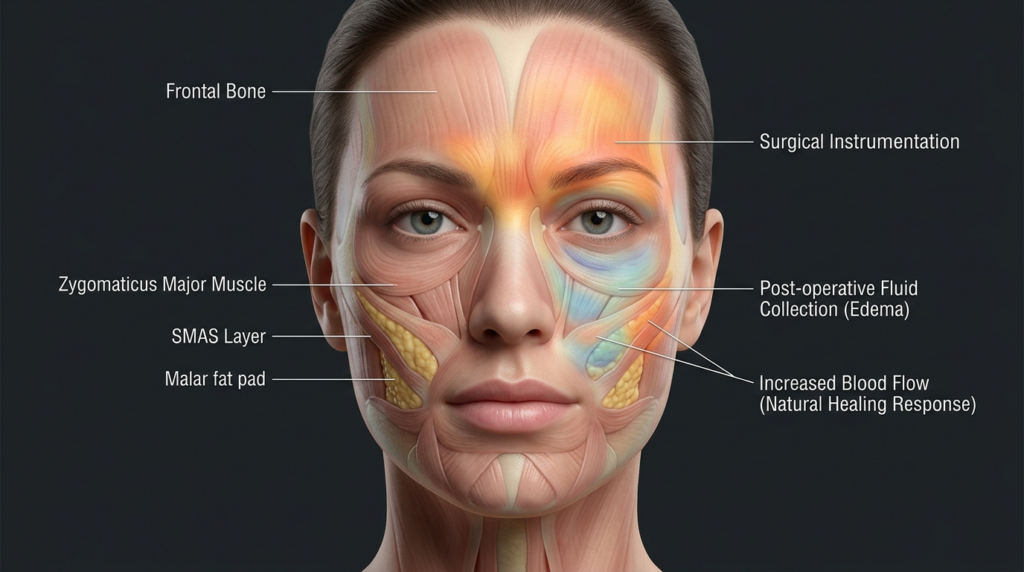
Tabla de contenido
Why Swelling Happens After FFS
Swelling is your body’s natural response to surgery. During cirugia de feminizacion facial, tissues are manipulated, and your body sends fluids to the area to promote healing. This process, while essential, can lead to noticeable swelling, particularly in the first few days post-op. Understanding the science behind post-op inflammation helps you take proactive steps to manage it effectively.
The Peak Swelling Period
The most intense swelling typically occurs within the first 72 hours after surgery. Many patients report that their face feels tight, and visible bruising may accompany the swelling. This phase is temporary but can be challenging. Former patients emphasize the importance of patience and consistency in applying cold compress techniques and elevation to reduce discomfort during this critical period.
Cooling Masks and Elevation
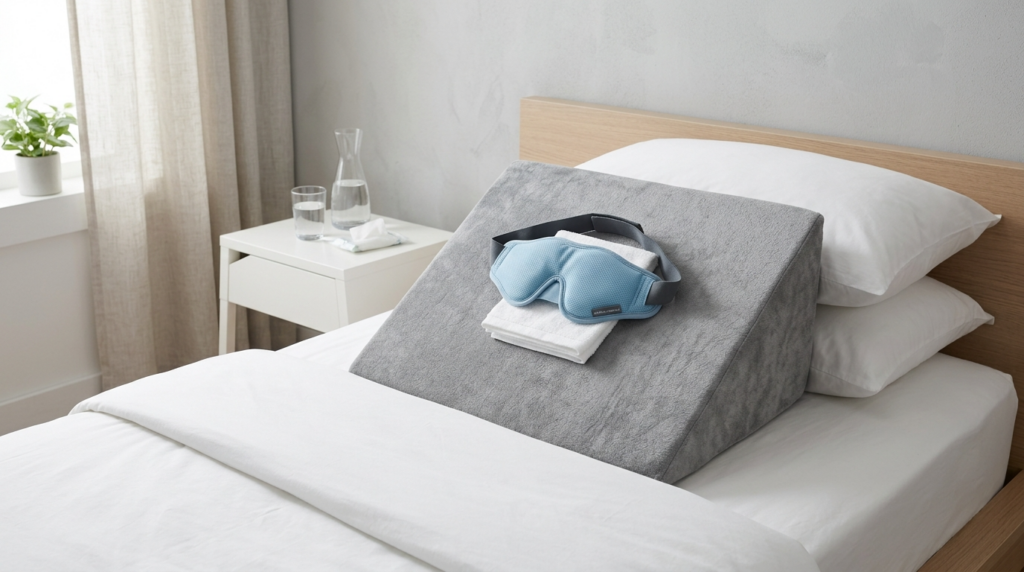
One of the most effective ways to manage ffs swelling management is by using cooling masks and keeping your head elevated. Cold therapy helps constrict blood vessels, reducing fluid buildup and easing discomfort. Former patients recommend:
- Cooling Masks: Use medical-grade cooling masks designed for post-surgical recovery. Apply them for 15–20 minutes every hour during the first 48 hours.
- Elevation: Sleep with your head elevated at a 30–45 degree angle. Use multiple pillows or a wedge pillow to maintain this position, even while resting.
- Compresa fría: If you don’t have a cooling mask, a cold compress wrapped in a soft cloth can be just as effective. Avoid direct ice contact with your skin to prevent frostbite.
Anti-Inflammatory Diet and Supplements
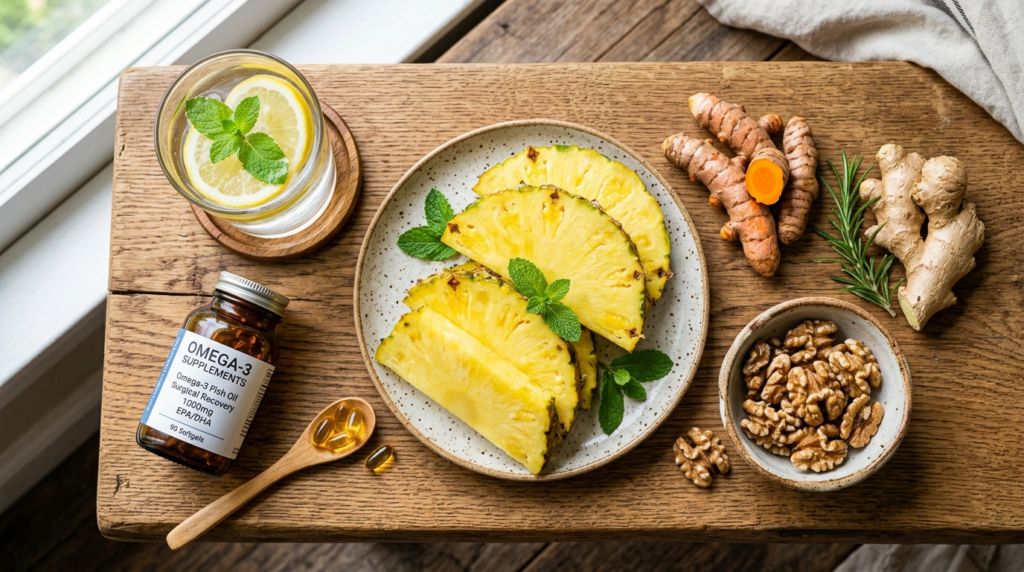
Your diet plays a crucial role in managing post-op inflammation. Former patients swear by an anti-inflammatory diet rich in nutrients that promote healing. Incorporate these foods and supplements into your recovery plan:
- Pineapple and Bromelain: Pineapple contains bromelain, an enzyme known for its anti-inflammatory properties. Many patients drink pineapple juice or take bromelain supplements to reduce swelling.
- Turmeric and Ginger: These spices are natural anti-inflammatories. Add them to your meals or take them as supplements to help manage swelling.
- Hidratación: Drink plenty of water to flush out toxins and reduce fluid retention. Avoid sugary drinks and excessive caffeine, as they can dehydrate you.
- Omega-3 Fatty Acids: Found in fish oil and flaxseeds, omega-3s help reduce inflammation. Consider adding these to your diet or taking supplements.
For more detailed guidance on recovery, explore our Cronograma de recuperación de FFS.
Lymphatic Drainage Techniques
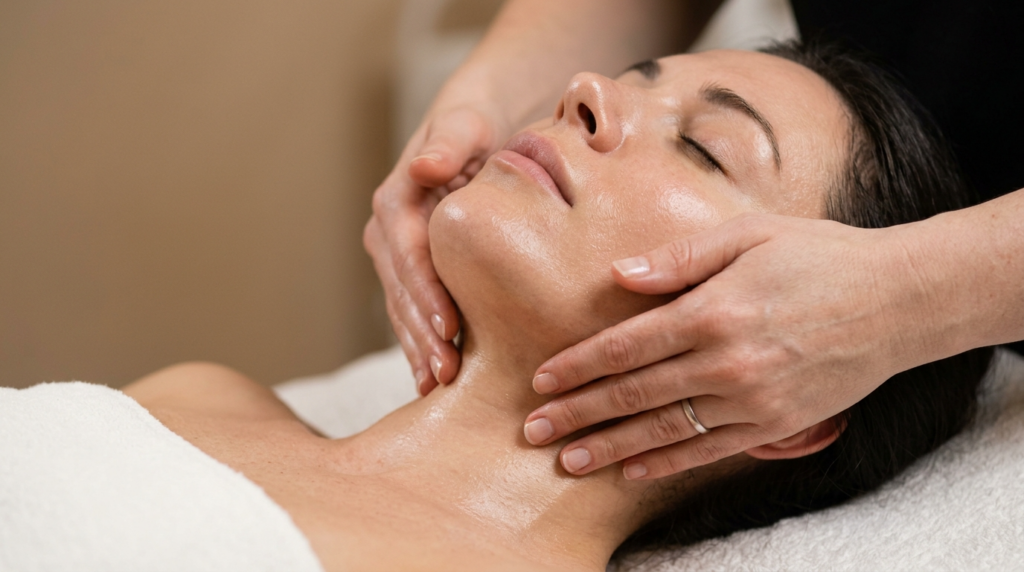
Lymphatic drainage is a game-changer for reducing swelling after FFS. This gentle massage technique encourages the movement of lymph fluids, which helps decrease puffiness and promotes faster healing. Former patients recommend:
- Professional Sessions: If possible, book sessions with a licensed lymphatic drainage therapist. They can tailor the technique to your specific needs.
- Self-Massage: Learn self-massage techniques from your therapist or through trusted online tutorials. Use gentle, circular motions to stimulate lymph flow.
- Consistency: Perform lymphatic drainage exercises 2–3 times daily for the best results. Many patients notice a significant reduction in swelling within a week.
Additional Recovery Tips from Former Patients
Beyond cooling and diet, former patients share these recovery tips to help you navigate the post-op phase with ease:
- Follow Your Surgeon’s Instructions: Adhere strictly to the post-op care plan provided by your surgeon. This includes taking prescribed medications and attending follow-up appointments.
- Avoid Strenuous Activities: Refrain from heavy lifting, bending, or intense exercise for at least 4–6 weeks. These activities can increase swelling and delay healing.
- Stay Positive: Recovery can be emotionally challenging. Surround yourself with supportive friends or join online communities of former FFS patients to share experiences and encouragement.
Interview with a Recovery Nurse: Expert Insights
We spoke with Sarah Thompson, a recovery nurse specializing in post-FFS care, to get her professional insights on managing ffs swelling management:
Q: What’s the most common mistake patients make during recovery?
Sarah: “Many patients underestimate the importance of rest and hydration. Skipping meals or not drinking enough water can prolong swelling and slow down healing. Consistency in following post-op instructions is key.”Q: How effective is lymphatic drainage?
Sarah: “Extremely effective. Patients who incorporate lymphatic drainage into their routine often see a 30–40% reduction in swelling within the first week. It’s a simple yet powerful tool.”Q: Any final advice for new patients?
Sarah: “Be patient with yourself. Swelling is temporary, and your results will improve with time. Trust the process and lean on your support system.”
Final Thoughts: Your Journey to Recovery
Managing ffs swelling management is a critical part of your FFS recovery journey. By incorporating cold compress techniques, an anti-inflammatory diet, and lymphatic drainage, you can significantly reduce discomfort and speed up healing. Remember, every patient’s experience is unique, but these proven strategies from former patients and experts will set you on the path to a smoother recovery.
For more personalized advice, consult your surgeon or a recovery specialist. Your journey to confidence and healing starts now.
FAQ: Your Questions Answered
How long does swelling last after FFS?
Swelling typically peaks within the first 3 days and gradually subsides over 4–6 weeks. Most patients see significant improvement within 2 weeks, but residual swelling may take up to 3–6 months to fully resolve.
Can I use ice packs instead of cooling masks?
Yes, ice packs wrapped in a soft cloth can be used as an alternative to cooling masks. Apply them for 15–20 minutes every hour during the first 48 hours to reduce post-op inflammation.
What foods should I avoid during recovery?
Avoid processed foods, excessive salt, and sugary snacks, as they can increase swelling. Focus on an anti-inflammatory diet rich in fruits, vegetables, and lean proteins.
Is lymphatic drainage safe for everyone?
Lymphatic drainage is generally safe, but it’s best to consult your surgeon before starting. They can guide you on the right techniques and frequency based on your specific recovery needs.
When can I resume normal activities after FFS?
Most patients can return to light activities within 2–3 weeks. However, avoid strenuous exercise and heavy lifting for at least 4–6 weeks to prevent complications and ensure optimal healing.
 Spanish
  English (United States)
  English (UK)
  Dutch
Dutch  German
  Arabic
  French
  Russian